Fire moves fast
Get the extinguisher to the fire — instead of the firefighter
QuenchPod is a proposed scalable remote-deployment fire suppression platform. Each unit is placed or delivered to the fire, then rapidly distributes a firefighting agent to knock down flames, cool burning material and reduce re-ignition — without sending a person in first.
The concept film
Roughly two minutes: the problem, the platform, how it works, and the five QuenchPod sizes in use across vehicle, structure, wildland and aerial response.
How it works
- Step 01
Deploy
- Step 02
Target
- Step 03
Activate
- Step 04
Rapid dispersal
- Step 05
Suppress
- Step 06
Cool & protect
Dispersal is designed to be controlled and non-explosive: the agent spreads as a fast expanding blanket of foam or gel that covers, smothers and cools, rather than a blast.
Real firefighting agents — cooling and re-ignition resistance
Cooling
Every QuenchPod agent carries water. As it contacts burning material the water flashes to steam, absorbing a very large amount of heat and pulling the fuel back below its ignition temperature. Wetting agents in Class A foam lower surface tension so the water soaks into timber and furnishings and cools deep-seated burning, not just the surface.
Re-ignition resistance
Once the flames are down, the foam blanket stays. It seals the fuel surface, holds flammable vapour beneath it and excludes oxygen, which is why a foam-covered fire resists flash-back long after knock-down. On vehicle and fuel fires a fluorine-free (F3) Class B foam forms that seal over spilled liquid; on vegetation, superabsorbent water-enhancing gel clings to fuels for hours and shields them from radiant heat.
Proven agents, new delivery
QuenchPod does not propose a new chemistry. It carries agents already used in the fire service every day — Class A and fluorine-free Class B foam concentrates, compressed-air foam, water with wetting agent, ABC dry chemical powder, wet chemical, and water-enhancing gel or long-term retardant. The concept is the delivery, not the agent.
The concept in the field
Visualisations of how a QuenchPod is placed, fitted and delivered — concept imagery, not photographs of tested hardware.
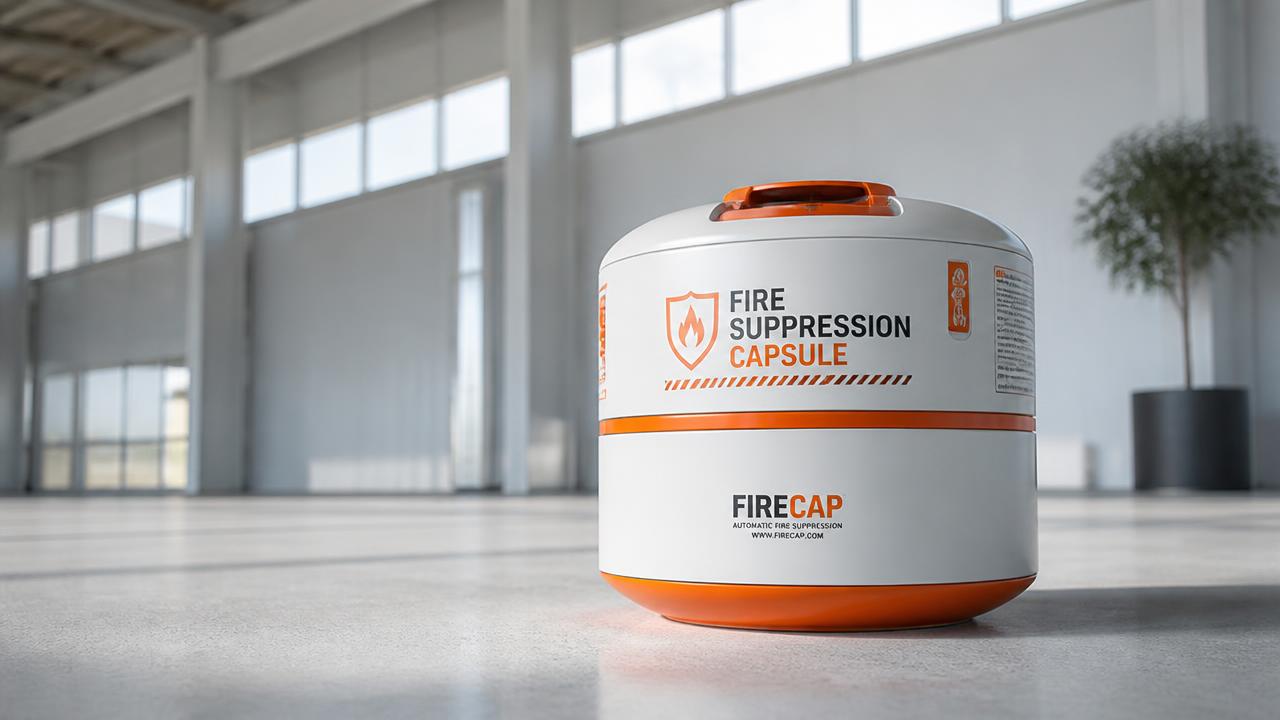
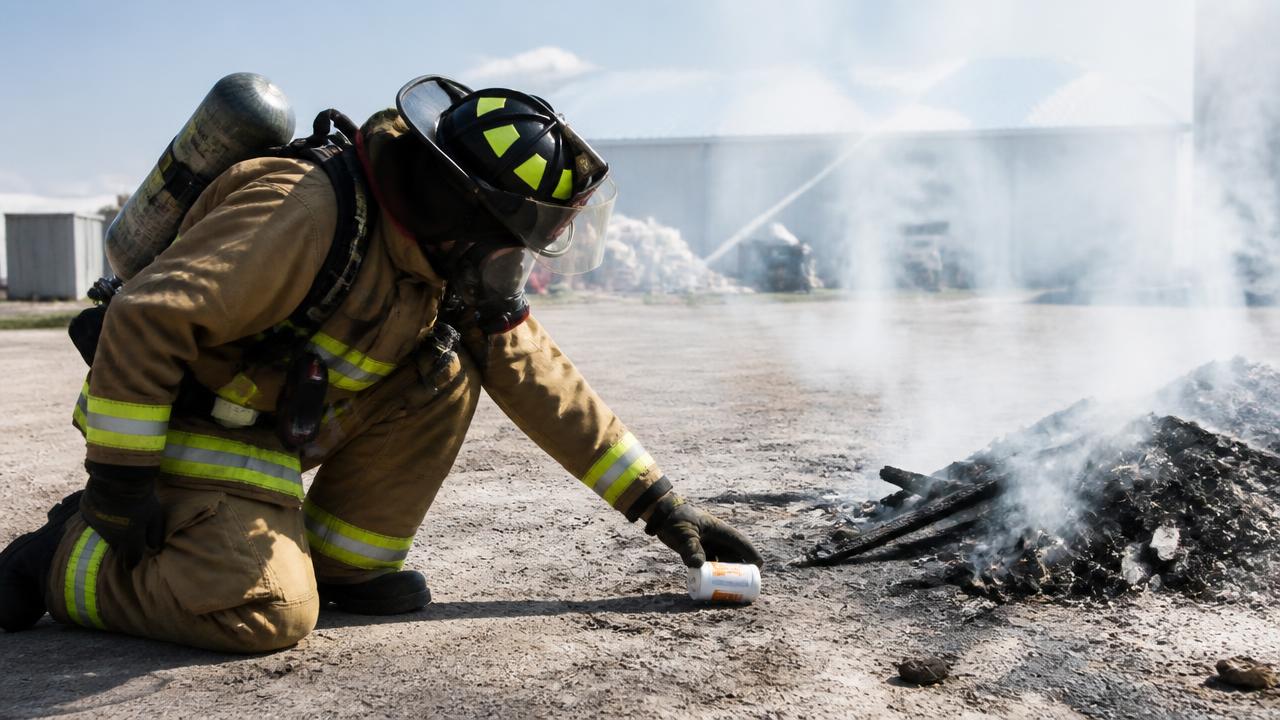
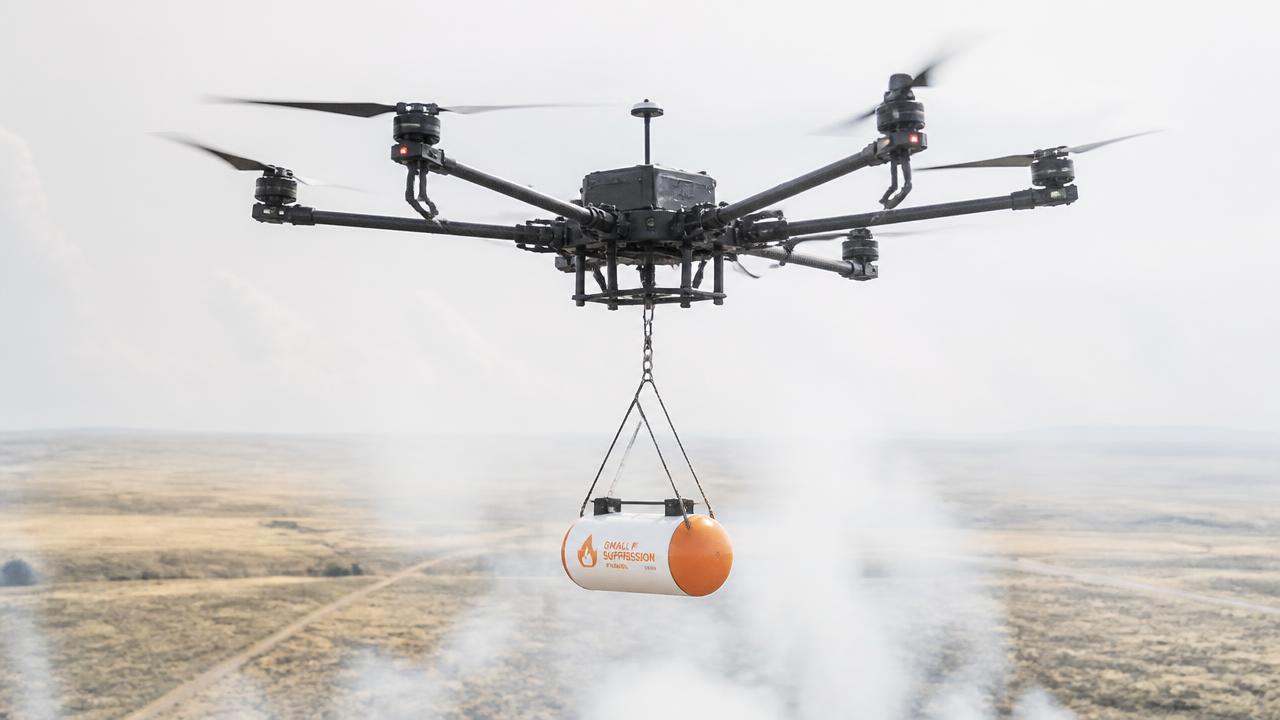
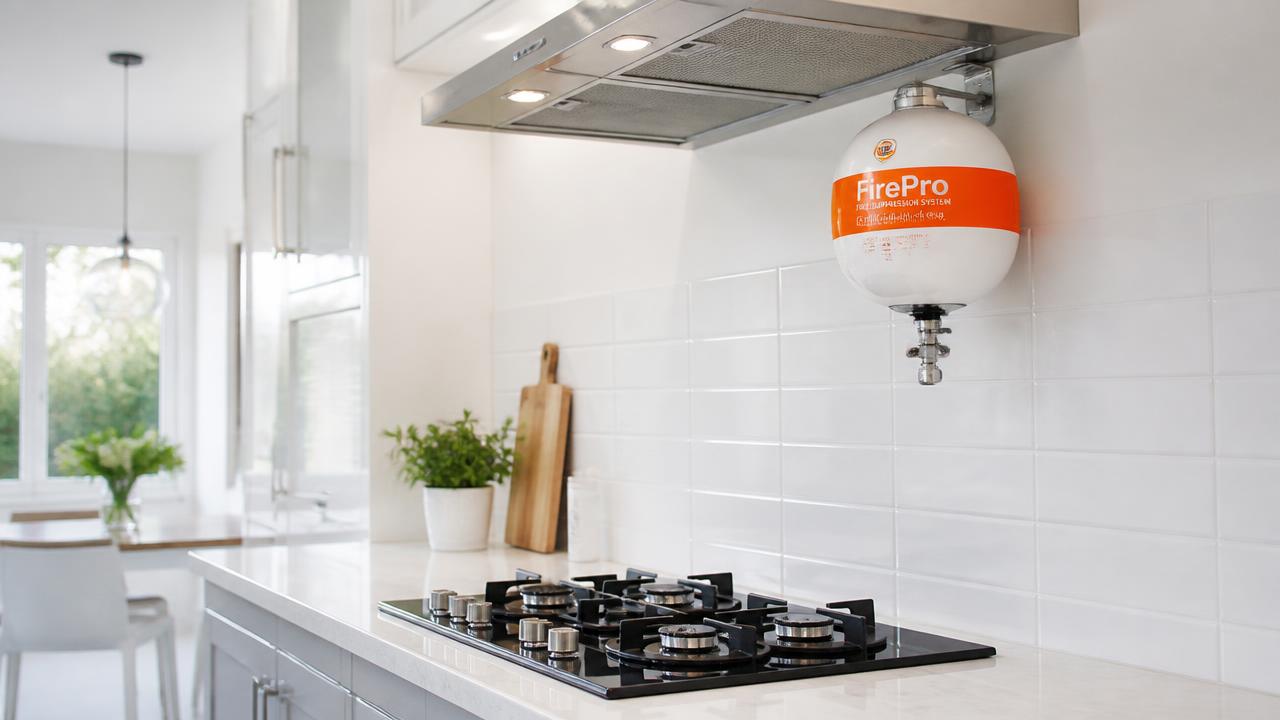
Two ways to use it: deployed, or already in place
QuenchPod does not have to arrive with the fire service. A pod can be pre-installed in advance, sitting dormant in the space it protects, so suppression is already at the seat of the fire before anyone is alerted.
Fixed in place, ready to act
Mounted in a kitchen, plant room, server room, workshop, engine bay, battery or charging area, storage unit or roof void — wherever a fire is most likely to start and least likely to be seen early.
Triggered locally or remotely
A pre-installed pod is intended to be activated by a local heat or smoke trigger, or remotely by an occupant, alarm panel or arriving crew, so it can act in the first seconds rather than the first minutes.
Standing protection for high-risk assets
Pods can be pre-placed seasonally or ahead of a known threat: around remote buildings, substations, fuel and battery stores, plant and machinery, or in the vegetation buffer of a property in wildfire season.
Complements fixed systems
Pre-installed pods are intended to sit alongside sprinklers, alarms and extinguishers, not replace them — adding a self-contained charge of proven agent where pipework or a person may not reach in time.
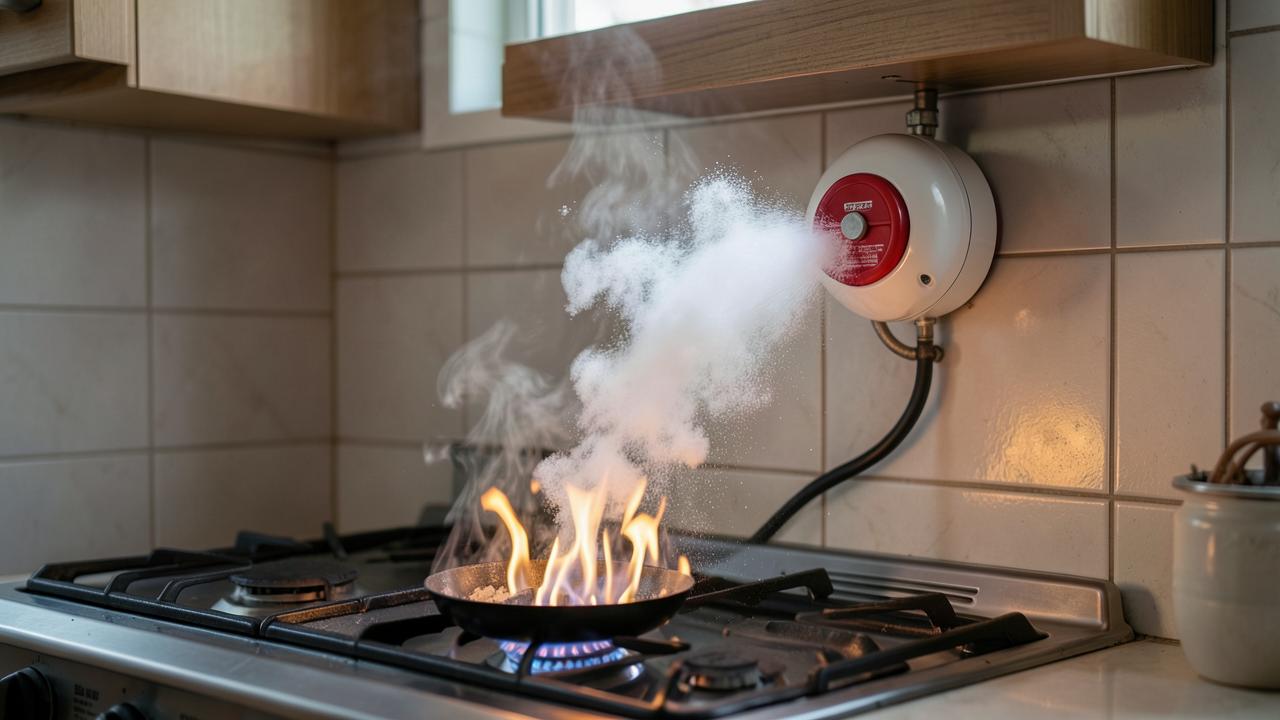
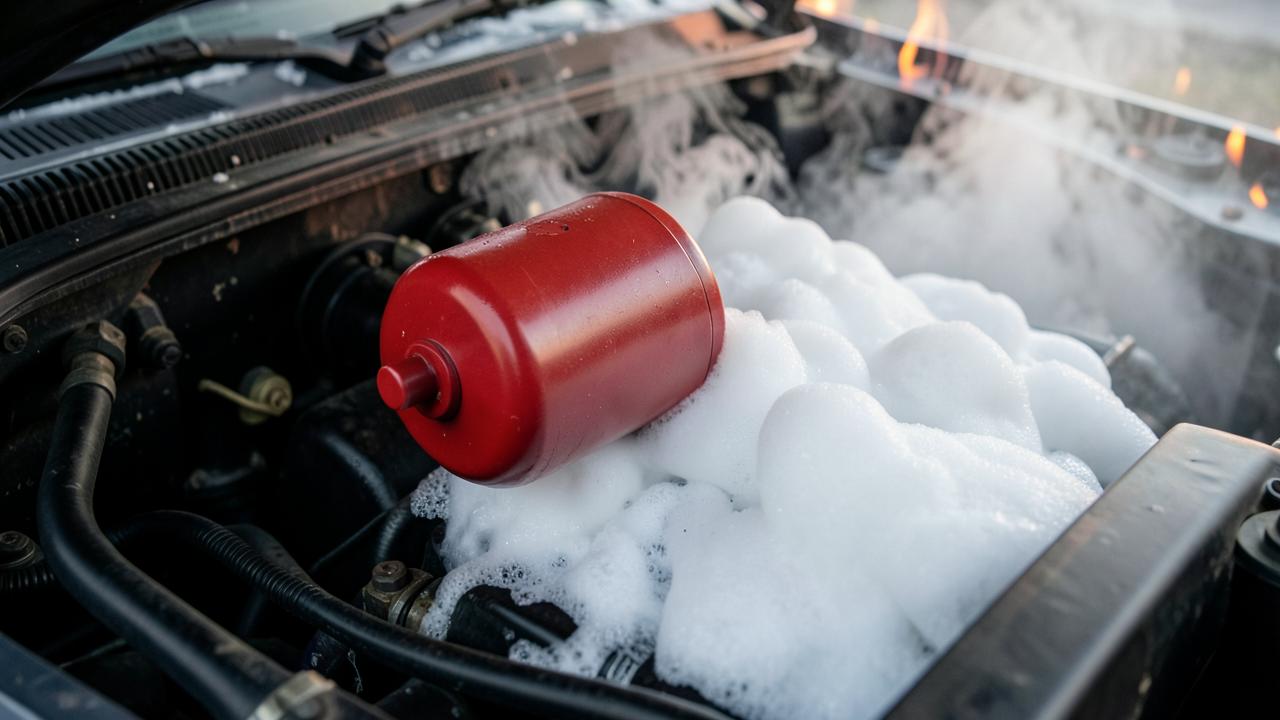
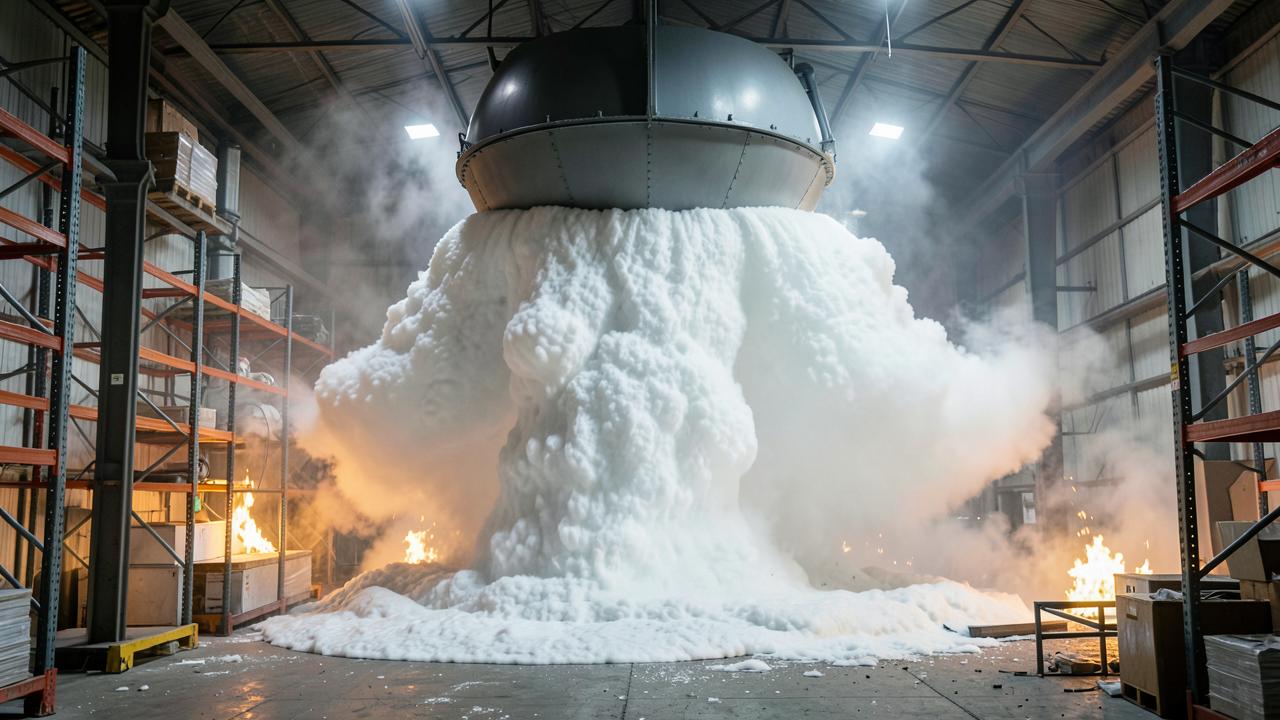
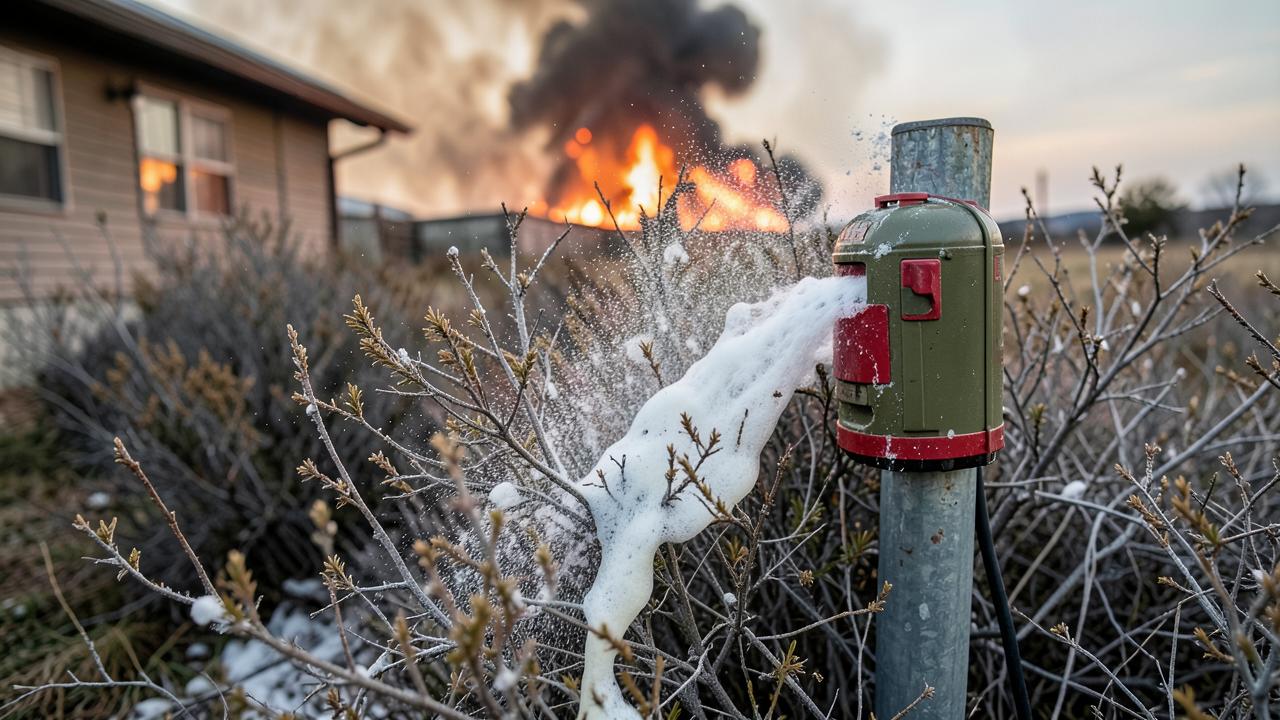
Pods fitted in place and activating: kitchen, engine bay, warehouse and vegetation buffer.
Different fires need different QuenchPods
QuenchPod S
Personal / Early-Stage Fires
QuenchPod R
Vehicle & Rescue
QuenchPod X
Structure & Industrial
QuenchPod WILD
Wildland & Forest Fires
QuenchPod AIR
Drone & Aerial Deployment
A tool for the fire service — not a replacement
QuenchPod is designed to supplement firefighters, engines, hoses, sprinklers and aircraft by reaching places that are too dangerous or too slow for a person to reach first.
Contact the concept team